The short version
- Public two-year colleges that focus on vocational and trade programs grew almost 20% between spring 2020 and spring 2025, to 871,000 students.
- Enrollment is not placement. Seats can be scarce, completion is far from guaranteed, and the number that matters is how many graduates end up paid in the trade.
- BLS median pay for electricians ($63,190) and plumbers ($63,800) beats the all-worker median ($50,980), but construction laborers ($46,680) sit below it.
- Ask every program for completion, placement, employer partnerships, credentials, and what you earn while you learn, in writing.
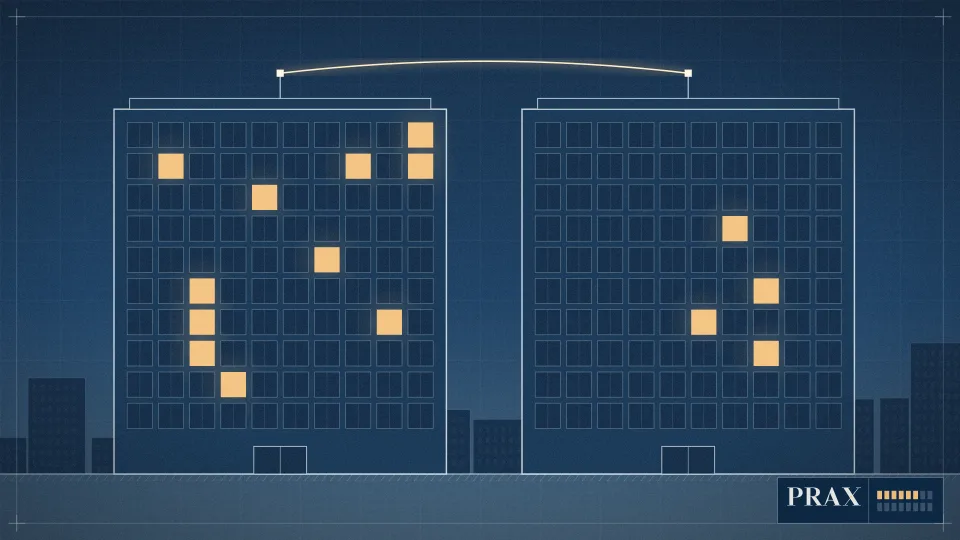
Enrollment is the easy number to celebrate. Someone fills out a form, pays a deposit, and a headline writes itself.
But nobody gets hired on the strength of a registration. A trade is a skill, a credential, and an employer willing to put you on a crew. A program that delivers only the first one is a very expensive hobby.
Is trade program enrollment really up?
Yes, and the Clearinghouse has the numbers. Its Research Center reported in May 2025 that public two-year colleges focused on vocational and trade programs grew almost 20% since spring 2020, to 871,000 students.
The fall 2025 data points the same way. Community colleges now hold 752,000 enrollments in undergraduate certificate programs, a 28.3% increase from fall 2021, and the same report credits a 3.0% rise in community college enrollment for driving undergraduate growth.
Two limits matter. The Clearinghouse does not define “vocational-focused” in that post, and the 20% is measured from 2020, not year over year. Neither source isolates construction trades. Treat this as a direction, not a verdict on any one program.
Why is Gen Z moving toward the trades?
The honest answer is that nobody has a clean, nationally representative measure of motive. The surveys that exist are commissioned by companies with a stake in the answer.
One example: a DeWalt survey of 225 U.S. high school students found that two-thirds, 67%, had spoken with potential employers who expressed interest in hiring them. It is small, it covers students already in trades programs, and the sponsor sells tools. Read it as a signal of interest, not a poll of a generation.
The same survey carries the more useful warning. Half of those students said they had been placed on a waitlist for training. Interest is running ahead of seats.
Does enrollment lead to a credential?
Not automatically. NCES reports that about 34% of first-time, full-time students seeking a certificate or associate degree at 2-year institutions earned their credential within 150% of normal time.
That number needs context. It counts only first-time, full-time students, it blends associate and certificate seekers, and it is not a trades-specific figure. A short, tightly structured welding certificate may look nothing like it. But it explains why you should ask any program for its own completion rate rather than assume.
A program’s brochure shows who enrolled. Its completion and placement numbers show who it worked for.
How does trade pay compare with typical outcomes?
The Bureau of Labor Statistics gives the cleanest comparison. In May 2025, the median annual wage for all workers was $50,980.
| Plumbers, pipefitters, and steamfitters | $63,800 | |
|---|---|---|
| Electricians | $63,190 | |
| All workers | $50,980 | |
| Construction laborers and helpers | $46,680 |
Source: U.S. Bureau of Labor Statistics, Occupational Outlook Handbook
Electricians earn a median of $63,190, and plumbers, pipefitters, and steamfitters $63,800. That is roughly $12,000 above the all-worker median. BLS projects employment growth of 9% for electricians and 7% for plumbers from 2025 to 2035.
Now the part the recruiting posters skip. Construction laborers and helpers had a median of $46,680, about $4,300 below the all-worker figure. The entry door is wide because formal education is not typically required and training is short-term. That is the trade-off. “Working in construction” is not one pay band. The licensed crafts pay more because the path to them is longer.
What does earning while you learn look like?
For electricians, it is the structure of the job. BLS describes apprenticeships that typically run 4 to 5 years, with 2,000 hours of paid on-the-job training a year plus technical instruction. Apprentices earn less than fully trained electricians, but pay rises as they take on more work. Plumbers follow a similar apprenticeship pattern, with 2,000 paid hours a year.
The Department of Labor’s apprenticeship site reports 93% of apprentices retain employment after completing an apprenticeship, and an average starting salary of $86,000 afterward. Read that carefully. The footnote says the figures are based on a Kansas Commerce Department reporting system and the federal RAPIDS database, retrieved December 31, 2025. It does not say they describe every trade or every state, and a completer is by definition someone who made it through. Still, it points at the real difference between an apprenticeship and a classroom-only program: you are on a payroll from the start.
There is a practical consequence. Two programs with the same sticker price can differ by years of income. In one, you pay tuition, sit in a classroom, and start the job search on graduation day. In the other, an employer sponsors you, you draw a wage from the first week, and the classroom hours run alongside the work. Neither is automatically better, since a good school can open doors an apprenticeship sponsor will not. But you should know which one you are buying, and what each costs you in lost earnings.
How do licensing and credentials fit in?
Licensing is the gate for the highest-paying crafts. BLS says most states require electricians to be licensed, and most states and some localities require plumbers to be licensed, often after 2 to 5 years of experience and an exam. A program that cannot tell you how its hours count toward your state’s license is not preparing you for the license.
Industry credentials work alongside that. NCCER describes itself as a nonprofit, created in 1996, that provides construction education, assessments, and credentials, and it offers a Verify Credentials tool. Before you pay for any program that promises NCCER credentials, check that the school appears among its accredited training programs, and ask which specific credentials you would leave with.
Seven questions to ask before you enroll
Put these to the program in writing. A good one answers quickly. A weak one answers with a brochure.
| Ask this | A good answer | A red flag |
|---|---|---|
| What share of starters finish? | A cohort number, with the year | “Most of our students succeed” |
| What share of graduates are working in the trade within six months? | A figure and how it was counted | Only a count of “employer partners” |
| Which employers hire from you, by name? | Named firms that will take a call | “Companies across the industry” |
| Which credentials do I leave with? | Specific names, such as NCCER levels | A generic “certificate of completion” |
| Do the hours count toward my state license? | A yes, with the licensing board cited | “That depends on you” |
| What does it cost, and what do I earn along the way? | Total cost, plus paid hours or a placement wage | A cost with no wage information |
| How long is the waitlist? | A straight date | Silence |
If a program will not put numbers in an email, that is also an answer.
What can you do this month?
- Pick two trades, not one, and look up the BLS profile and your state’s licensing board for each.
- Call two local employers and ask who they hire from, and what they look for.
- Request the table above from three programs and compare them side by side.
- Ask whether an apprenticeship or employer-sponsored route exists, since that skips tuition and puts you on a payroll.
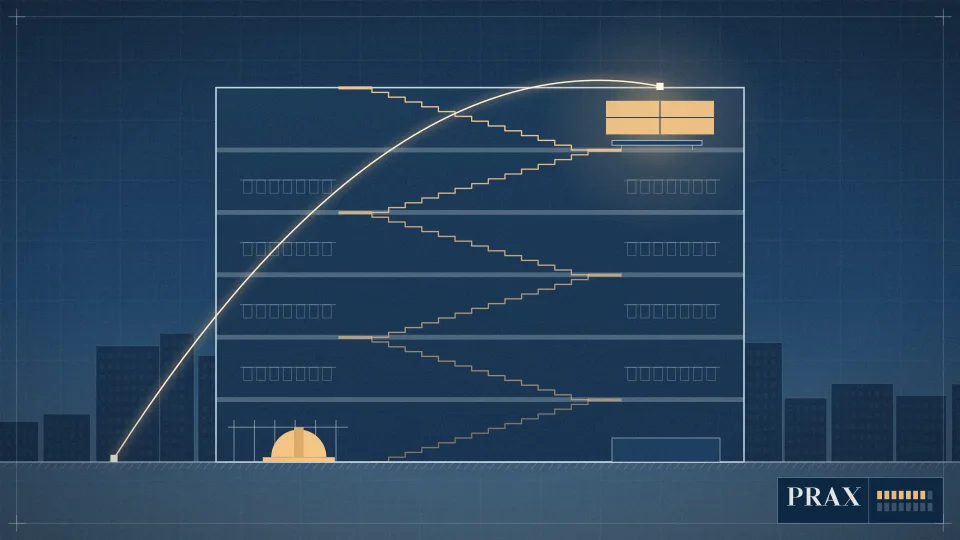
The data does not say trades are a safe bet or a trap. It says the route matters more than the label. Enrollment is a start, and the walk from the workshop to the jobsite is where the career gets built.
So when you sign up, who exactly is waiting at the other end?
If you’re weighing a program and want an honest read on where it could lead, we’re happy to talk it through. No pressure, and no hard sell.
Common questions
Is trade school enrollment really rising?
Yes, by the Clearinghouse’s count. Public two-year colleges that focus on vocational and trade programs grew almost 20% between spring 2020 and spring 2025, to 871,000 students. That is growth in headcount, not a measure of how many students finish or get hired. Source: National Student Clearinghouse Research Center.
Do trades pay more than the typical job?
Some do. BLS reports a May 2025 median of $63,190 for electricians and $63,800 for plumbers, pipefitters, and steamfitters, against $50,980 for all workers. Construction laborers and helpers, who need little formal education, had a median of $46,680, below the all-worker figure. Source: U.S. Bureau of Labor Statistics.
Do electricians get paid while they train?
Yes. BLS says electrician apprenticeships typically last 4 to 5 years and include 2,000 hours of paid on-the-job training per year plus technical instruction. Apprentices earn less than fully trained electricians, but pay rises as they learn to do more. Source: U.S. Bureau of Labor Statistics.
How many community college students finish a certificate or associate degree?
NCES reports that about 34% of first-time, full-time students seeking a certificate or associate degree at 2-year institutions earned their credential within 150% of normal time. That figure excludes part-time students and does not describe any single trade program. Source: National Center for Education Statistics.
Sources
- Vocational-focused public 2-years lead enrollment rise, National Student Clearinghouse Research Center, May 22, 2025.
- Final Fall Enrollment Trends, National Student Clearinghouse Research Center, January 15, 2026.
- Gen Z Is Eager to Take Up the Skilled Trades, but Faces Barriers, Construction Dive, reporting a DeWalt survey, November 22, 2024.
- Fast Facts: Undergraduate graduation rates, National Center for Education Statistics, accessed November 2026.
- Electricians, Occupational Outlook Handbook, U.S. Bureau of Labor Statistics, accessed November 2026.
- Plumbers, Pipefitters, and Steamfitters, Occupational Outlook Handbook, U.S. Bureau of Labor Statistics, accessed November 2026.
- Construction Laborers and Helpers, Occupational Outlook Handbook, U.S. Bureau of Labor Statistics, accessed November 2026.
- NCCER home page, NCCER, accessed November 2026.
- Apprenticeship.gov home page, U.S. Department of Labor, accessed November 2026.
This article is general information, not legal, financial, or employment advice. Statistics are as published by their sources on the dates shown.